


News

2026.04.05
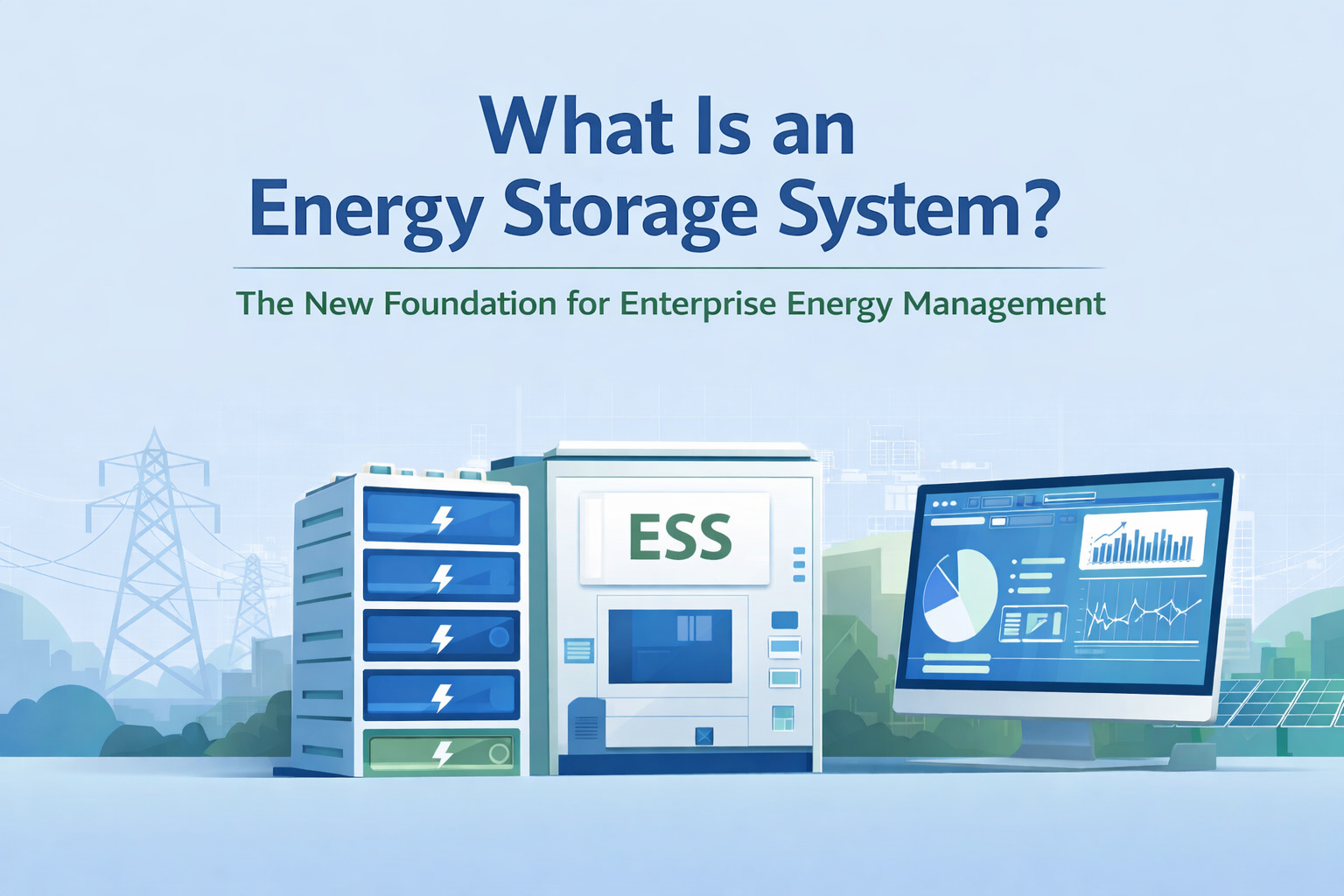
In modern business operations, energy costs and power stability have become critical challenges. With rising electricity price fluctuations, the rapid adoption of renewable energy, and increasing corporate focus on ESG and sustainability, Energy Storage Systems (ESS) are becoming essential infrastructure for enterprise energy management.
For many organizations, electricity is not only required for production and daily operations, but also for maintaining the stability of security and monitoring systems, such as:
-
CCTV surveillance systems
-
Access control and security management systems
-
Servers and data centers
-
Smart building control systems
These systems often require 24/7 uninterrupted operation. Power outages or voltage fluctuations can lead to surveillance interruptions, increased security risks, and even operational losses.
As a result, more enterprises are deploying energy storage systems not only to reduce electricity costs but also to ensure that surveillance and critical infrastructure remain operational during power disruptions.
This article explains what an energy storage system is, how it works, its core components, and the value it brings to enterprises.
Why Do Enterprises Need Energy Storage Systems?
When businesses face rising energy costs and power instability, Energy Storage Systems (ESS) provide several important solutions.
1. Managing Electricity Price Fluctuations
In many regions, electricity bills are not only based on consumption but also on peak demand charges.
Energy storage systems allow companies to:
-
Store electricity during off-peak hours when prices are lower
-
Use stored energy during peak hours
This strategy, known as peak shaving, can significantly reduce electricity costs.
2. Ensuring Power Stability and Backup Supply
For facilities such as data centers, manufacturing plants, and medical institutions, power interruptions can cause severe financial losses.
Energy storage systems act as a backup power source, ensuring continuous operation for critical equipment, including:
-
Surveillance systems
-
Servers and IT infrastructure
-
Security systems
3. Integrating Renewable Energy
Many enterprises have adopted solar or wind energy, but renewable power generation can be inconsistent.
Energy storage systems allow businesses to:
-
Store excess renewable energy
-
Use it later during high demand or nighttime
This improves energy efficiency and self-consumption rates.
4. Supporting ESG and Sustainability Goals
Corporate sustainability initiatives are becoming increasingly important.
Energy storage systems help businesses:
-
Increase renewable energy utilization
-
Reduce reliance on traditional power grids
-
Improve ESG performance and sustainability reporting
How Does an Energy Storage System Work?
The concept behind an energy storage system is straightforward: store electricity and release it when needed.
Charging (Energy Storage)
During off-peak hours or when renewable energy production is high, the system stores electricity in batteries.
This process is similar to storing water in a reservoir for future use.
Discharging (Power Supply)
When electricity demand increases or peak hours arrive, the stored energy is released to supply power to equipment.
This helps reduce peak electricity costs while ensuring stable power supply.
Energy Management System (EMS)
The Energy Management System (EMS) acts as the intelligent control center of the storage system.
It is responsible for:
-
Monitoring real-time electricity usage
-
Scheduling charging and discharging cycles
-
Optimizing energy strategies
This ensures the system operates efficiently, safely, and economically.
Core Components of an Energy Storage System
A typical enterprise energy storage system consists of three key components.
Battery System
The battery is the core of the storage system and stores electrical energy.
Common battery types include:
-
Lithium-ion batteries
-
Lithium iron phosphate (LFP) batteries
-
Lead-acid batteries
-
Sodium-ion batteries
Among these, lithium and LFP batteries are the most widely used due to their long lifespan and high efficiency.
Power Conversion System (PCS)
The PCS (Power Conversion System) converts electricity between:
-
Direct Current (DC)
-
Alternating Current (AC)
This allows stored energy to be used by enterprise equipment or integrated with the power grid.
Energy Management System (EMS)
The EMS monitors and controls the entire storage system.
It manages:
-
Real-time power monitoring
-
Electricity pricing analysis
-
Charging and discharging strategies
This ensures optimal system performance and energy efficiency.
Applications of Energy Storage Systems
Energy storage systems play multiple roles in enterprise energy management.
Peak Shaving
Store electricity during low-price periods and use it during peak demand to reduce electricity costs.
Backup Power
Provide backup electricity during outages or voltage instability.
Renewable Energy Integration
Store excess solar or wind power for later use, improving renewable energy utilization.
Grid Stability and Demand Response
Energy storage systems can participate in demand response programs, helping stabilize the power grid.
Uninterruptible Power Supply (UPS)
Provide continuous power during outages or maintenance.
Microgrids
Energy storage enables microgrid systems, integrating:
-
Solar energy
-
EV charging
-
Distributed energy resources
This reduces reliance on the main power grid.
-
Lower Energy Costs
Peak shaving and smart energy management reduce electricity expenses and demand charges.
Improved Power Reliability
Backup power and intelligent management ensure critical systems operate without interruption.
Stronger ESG Performance
Energy storage combined with renewable energy helps reduce carbon emissions and supports sustainability
goals.
Conclusion
Energy storage systems have evolved from large utility-scale infrastructure into a core component of enterprise energy management.
For factories, office buildings, smart buildings, and data centers, ESS not only reduces electricity costs but also ensures stable operation of surveillance systems and critical infrastructure.
For 24/7 security systems, smart buildings, and EV charging facilities, energy storage provides a reliable safeguard against power interruptions.
Enterprises seeking to improve energy efficiency, operational security, and sustainability should consider energy storage systems as a key strategic investment.
In modern business operations, energy costs and power stability have become critical challenges. With rising electricity price fluctuations, the rapid adoption of renewable energy, and increasing corporate focus on ESG and sustainability, Energy Storage Systems (ESS) are becoming essential infrastructure for enterprise energy management.
For many organizations, electricity is not only required for production and daily operations, but also for maintaining the stability of security and monitoring systems, such as:
-
CCTV surveillance systems
-
Access control and security management systems
-
Servers and data centers
-
Smart building control systems
These systems often require 24/7 uninterrupted operation. Power outages or voltage fluctuations can lead to surveillance interruptions, increased security risks, and even operational losses.
As a result, more enterprises are deploying energy storage systems not only to reduce electricity costs but also to ensure that surveillance and critical infrastructure remain operational during power disruptions.
This article explains what an energy storage system is, how it works, its core components, and the value it brings to enterprises.
Why Do Enterprises Need Energy Storage Systems?
When businesses face rising energy costs and power instability, Energy Storage Systems (ESS) provide several important solutions.
1. Managing Electricity Price Fluctuations
In many regions, electricity bills are not only based on consumption but also on peak demand charges.
Energy storage systems allow companies to:
-
Store electricity during off-peak hours when prices are lower
-
Use stored energy during peak hours
This strategy, known as peak shaving, can significantly reduce electricity costs.
2. Ensuring Power Stability and Backup Supply
For facilities such as data centers, manufacturing plants, and medical institutions, power interruptions can cause severe financial losses.
Energy storage systems act as a backup power source, ensuring continuous operation for critical equipment, including:
-
Surveillance systems
-
Servers and IT infrastructure
-
Security systems
3. Integrating Renewable Energy
Many enterprises have adopted solar or wind energy, but renewable power generation can be inconsistent.
Energy storage systems allow businesses to:
-
Store excess renewable energy
-
Use it later during high demand or nighttime
This improves energy efficiency and self-consumption rates.
4. Supporting ESG and Sustainability Goals
Corporate sustainability initiatives are becoming increasingly important.
Energy storage systems help businesses:
-
Increase renewable energy utilization
-
Reduce reliance on traditional power grids
-
Improve ESG performance and sustainability reporting
How Does an Energy Storage System Work?
The concept behind an energy storage system is straightforward: store electricity and release it when needed.
Charging (Energy Storage)
During off-peak hours or when renewable energy production is high, the system stores electricity in batteries.
This process is similar to storing water in a reservoir for future use.
Discharging (Power Supply)
When electricity demand increases or peak hours arrive, the stored energy is released to supply power to equipment.
This helps reduce peak electricity costs while ensuring stable power supply.
Energy Management System (EMS)
The Energy Management System (EMS) acts as the intelligent control center of the storage system.
It is responsible for:
-
Monitoring real-time electricity usage
-
Scheduling charging and discharging cycles
-
Optimizing energy strategies
This ensures the system operates efficiently, safely, and economically.
Core Components of an Energy Storage System
A typical enterprise energy storage system consists of three key components.
Battery System
The battery is the core of the storage system and stores electrical energy.
Common battery types include:
-
Lithium-ion batteries
-
Lithium iron phosphate (LFP) batteries
-
Lead-acid batteries
-
Sodium-ion batteries
Among these, lithium and LFP batteries are the most widely used due to their long lifespan and high efficiency.
Power Conversion System (PCS)
The PCS (Power Conversion System) converts electricity between:
-
Direct Current (DC)
-
Alternating Current (AC)
This allows stored energy to be used by enterprise equipment or integrated with the power grid.
Energy Management System (EMS)
The EMS monitors and controls the entire storage system.
It manages:
-
Real-time power monitoring
-
Electricity pricing analysis
-
Charging and discharging strategies
This ensures optimal system performance and energy efficiency.
Applications of Energy Storage Systems
Energy storage systems play multiple roles in enterprise energy management.
Peak Shaving
Store electricity during low-price periods and use it during peak demand to reduce electricity costs.
Backup Power
Provide backup electricity during outages or voltage instability.
Renewable Energy Integration
Store excess solar or wind power for later use, improving renewable energy utilization.
Grid Stability and Demand Response
Energy storage systems can participate in demand response programs, helping stabilize the power grid.
Uninterruptible Power Supply (UPS)
Provide continuous power during outages or maintenance.
Microgrids
Energy storage enables microgrid systems, integrating:
-
Solar energy
-
EV charging
-
Distributed energy resources
This reduces reliance on the main power grid.
-
Lower Energy Costs
Peak shaving and smart energy management reduce electricity expenses and demand charges.
Improved Power Reliability
Backup power and intelligent management ensure critical systems operate without interruption.
Stronger ESG Performance
Energy storage combined with renewable energy helps reduce carbon emissions and supports sustainability
goals.
Conclusion
Energy storage systems have evolved from large utility-scale infrastructure into a core component of enterprise energy management.
For factories, office buildings, smart buildings, and data centers, ESS not only reduces electricity costs but also ensures stable operation of surveillance systems and critical infrastructure.
For 24/7 security systems, smart buildings, and EV charging facilities, energy storage provides a reliable safeguard against power interruptions.
Enterprises seeking to improve energy efficiency, operational security, and sustainability should consider energy storage systems as a key strategic investment.